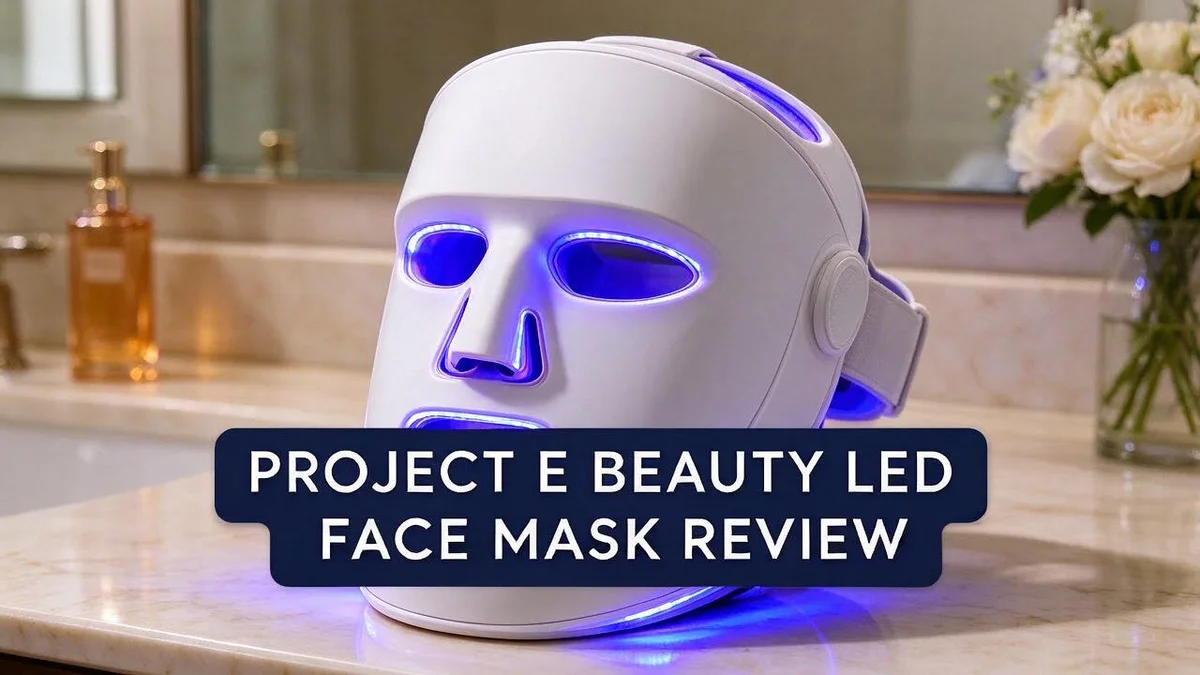
Project E Beauty LED Face Mask Review 2026: The Ultimate Guide
Project E Beauty brings light therapy into your daily routine. Many people want clearer, brighter skin without visiting a spa. This review looks at how the mask works, who it suits, and whether it lives up to the hype.
Red and blue light are the main features here. Each color targets a different skin concern. Red light supports a calm, healthy look, while blue light aims at breakouts.
Before you decide, you should know what to expect. This review covers comfort, ease of use, and results. Keep reading to see if this mask deserves a spot on your shelf.
In a Nutshell
Here is a quick look at what matters most for daily use.
• Easy to use: Most sessions fit into a short evening routine. You simply cleanse your face, put on the mask, and relax while the lights work.
• Consistency drives results: Light devices work best when you use them on a regular schedule. Many people stick with it longer when the session feels like a calm ritual.
• Gentle for many skin types: Light masks are usually easy on the skin. People with sensitive skin should still do a patch test on a small area first.
• Pairs well with your current products: Apply serums and moisturizers after your session. Thick creams or oils can block the light from reaching your skin, so choose thinner formulas.
• Results take time: Expect subtle changes over several weeks. Quick fixes are not the goal here, so patience matters.
• Check with a doctor first: People who take light sensitizing medicine or have active skin conditions should ask a doctor before starting.
Light Wavelengths and Therapy Modes

- CUSTOM INTENSITY FOR PERSONALIZED SESSIONS: Choose from three intensity levels without changing wavelength. Blue light: 15, 20, or 25 mW/cm². Red + NIR: 25, 30, or 35 mW/cm² for consistent output in every session
- MULTI-LIGHT THERAPY FOR CLEARER, SMOOTHER-LOOKING SKIN: Red light helps soften the look of fine lines, near-infrared supports a more radiant appearance, and blue light helps improve the appearance of mild to moderate acne

Last update on 2026-11-06 / Affiliate links / Images from Amazon Product Advertising API Some of the links on this website are affiliate links, which means that at no additional cost to you, I earn a commission if you click through and make a purchase. I only recommend products and services that I believe will add value to my readers. Thank you for your support!
Every LED face mask uses specific wavelengths of light. Each wavelength reaches a different depth in the skin. Shorter wavelengths stay near the surface, while longer wavelengths travel deeper.
This difference matters more than many people expect. Surface light often supports a smoother look. Deeper light may support a calmer, more even tone. Knowing this helps you set clear goals.
Therapy modes work differently, too. Some modes keep the light steady from start to finish. Others pulse the light on and off in short bursts.
Continuous mode gives a steady, even exposure. It suits people who want a simple setting they can repeat every night. Many users like the predictable feel of it.
Pulsed mode spreads the same session into rhythmic flashes. Some people find this feels softer on sensitive skin. The pattern may also feel more relaxing during a longer session.
Check the mode labels before each session. Names can differ between devices, so read the manual. A quick look at the settings screen shows what each button does.
Start with the lowest intensity setting. Your skin needs time to adjust to the light. Increase the level only after several comfortable sessions.
Keep your eyes closed during every session. Most masks include built-in eye protection, but closed eyes add extra comfort. Pause the mask if you feel heat or discomfort.
Timers matter, too. Many masks switch off on their own after a set time. This feature helps you avoid overexposure and keeps your routine predictable.
Try one mode for a week before switching. Comparing modes side by side takes patience. Note how your skin feels each morning.
Small setting changes can shape how your skin responds. Keep a simple note about the mode, time, and intensity you used. Over time, this record shows which combination feels best for you.
Comfort and Fit on the Face
Comfort matters just as much as results. A mask that feels good is one you will actually use.
Fit starts with the shape of the mask. Good contact around your cheeks, nose, and chin helps the light reach your skin evenly. Gaps can let light escape and lower coverage.
Check how the mask sits before you switch it on. Look in a mirror and adjust the straps so the panel lies flat. Loose spots should feel snug, not tight.
Strap pressure deserves attention too. Straps pulled too hard can tug on your hairline and cause tension over time. Loosen them a little until the mask stays put without any pinching.
Eye openings need a close look as well. Make sure they line up with your eyes, and check that your lashes do not press against the lenses.
Weight can also cause problems. Some people feel pressure on the nose or forehead after several minutes. Shift the mask slightly or take a short break to ease the feeling.
Warmth is normal for many people. A mild, gentle heat often appears as the session goes on. Pause the session if the heat feels uncomfortable or stings.
Hair and skin prep make a difference. Pull hair back with a soft band so it stays away from the panel. Wash and dry your face first so the mask rests flat against your skin.
A quick self check helps too. Before each session, touch the panel and feel for rough edges or loose parts. Damaged parts can scratch skin or shift during use, so set them aside and follow the manufacturer guidance.
Build up slowly. Wear the mask for a few minutes during your first session, then add time gradually. Remove it right away if you notice itching, burning, or pain. Let your skin rest, and talk with a doctor if irritation lasts.
Comfort grows with practice, so each session should feel easier than the last.
Results and Skin Improvement
Tracking your progress makes results easier to see. Take a photo in the same light once a week. Your memory can fool you, but photos show real change.
Keep a simple skin journal too. Note how your skin feels in the morning, any redness, and any new bumps. Over time, patterns appear.
Skin cells renew about once a month. Many people notice a more even texture after a full cycle. Give your routine at least two cycles before you judge it.
Some people notice a short period of breakouts at first. This is often called purging, and it can happen as your skin turns over its cells. Stay calm and keep your routine steady. If new spots keep showing up or you feel pain, stop and talk to a professional.
Most people look for a few common signs. Skin may feel smoother to the touch. Makeup might sit more evenly. Redness may look calmer after a session. These changes are small, so look at them over time.
Daytime sunscreen protects your results. Light masks work at night, but the sun can undo progress. Apply a broad spectrum sunscreen every morning. Pick a sunscreen that feels light on your face so you use it daily. Wear a hat when you spend long hours outside.
Your lifestyle matters too. Sleep gives your skin time to repair itself. Drinking enough water helps keep skin soft. A balanced diet with plenty of fruit and vegetables supports healthy skin from the inside.
Avoid comparing your skin with photos online. Every face responds at its own pace. Your skin type, age, and daily habits all shape the outcome. Focus on your own progress.
Celebrate small wins along the way. A calmer morning or a softer cheek counts as progress. Keep going with patience, and your skin will show the difference.
Top 3 Alternatives
Looking for other options? Here are three alternatives that work well for home skin care. Each one has its own strengths, so think about your skin goals first.
CurrentBody LED Mask
This mask uses red and near-infrared light to support a fresh, healthy glow. Many users like its flexible design and easy setup. Its simple controls make it easy to use, even for beginners. Consistent use helps you see gradual changes over time.
Solawave LED Face Mask
This mask pairs red light therapy with blue light for a two in one approach. The light panels cover a wide area, so you can treat your whole face at once. Many shoppers also like how the panels stay cool during sessions. It works well for anyone building a steady evening routine.
Foreo UFO 2
This device combines LED light therapy with gentle sonic warming. It uses silicone that feels smooth and soft on the skin. The compact design fits easily into a travel bag. Its quick charge time means less waiting between uses. It is a great pick for people who want a quick, fresh feel.
Pick the option that matches your routine and skin needs. Each one can help you build a glowing, confident look at home.
Ease of Use and Session Routine
Setting up each session takes only a few minutes. Most people sit at a table or bathroom counter with good light. Place the charged device nearby so you can reach the power button easily.
Clean skin works best before the light goes on. Wash your face and pat it dry first. Wait a few minutes so the skin feels fully dry before you apply any serum.
Plan the routine around your evening habits. Many people use the mask right before bed because the skin repairs itself during rest. Others prefer a quiet moment after work. Pick one time and stick with it.
The order of your products matters too. Apply serums or treatments after the light session, not before. Thick creams may sit between the panel and your skin, so save them for the final step.
Wipe the panel after every use. Use a soft, dry cloth to remove oil and dust from the lenses. A clean surface helps the light pass through evenly and keeps the device fresh for your next session.
Store the mask in a dry place away from heat. Keep the cord loosely wrapped so the wires stay in good shape. Simple habits like these help the device last longer.
Pause if something feels wrong. A sharp stinging feeling, dizziness, or a headache means you should stop right away. Remove the mask, rinse your face with cool water, and try again later at a lower setting.
If redness lasts, talk with a dermatologist. Your skin deserves expert advice when something feels off.
A simple checklist keeps things easy. Write the steps on a card near the sink. Over time, the routine becomes second nature and takes less thought.
Finish each session with a gentle moisturizer. Your skin feels fresh and ready for hydration. Keep the moisturizer close by so you never skip it. A short rest of ten minutes helps you relax before the day ends.
Safety and Skin Sensitivity
Sensitive skin needs extra care before you start. A patch test is the best first step. Pick a small area like your inner arm and use the mask there first.
Wait about 24 hours after the test. Look for new redness, itching, or swelling before you use it on your face.
Some people react to skincare ingredients more than light. Check your serum or cream list if you use strong products.
Certain medications can make your skin more sensitive to light. Some antibiotics, acne treatments, and acid products fall into this group.
Ask your doctor before use if you take any prescription medicine. This step matters most if you take drugs that raise light sensitivity.
People with active acne, rosacea, or eczema should speak with a professional first. Open skin or broken areas also need a break.
Cold sores deserve special attention too. Light may trigger outbreaks in some people, so skip the area if you get them often.
Pregnant or nursing women should check with a doctor before using any light device. Research on home light masks for these groups remains limited.
Some people with a seizure history should also ask a doctor first. Ask a doctor if you have any neurological condition.
Keep children and pets away while the mask is on.
Never use the mask on sunburned or irritated skin. Heat and light together can make the damage worse. Wait until your skin calms down.
Itchy bumps or new dry patches that appear after use signal a poor fit for your skin. Check the label for ingredients or materials that you already react to.
Write down any reactions you notice. Bring that list to your doctor too. This record helps your doctor spot patterns quickly.
Pros and Cons
Pros
- No salon visits needed so you can care for your skin at home.
- Fits into busy schedules with sessions you can do while relaxing.
- Light covers the whole face in one quick session.
- Simple design makes it easy to share with family members.
- You can track changes over weeks by taking photos in the same light.
Cons
- Results take time and often need several weeks of steady use.
- The light may feel too bright for some people’s eyes, so keep your eyes closed.
- It works best on surface concerns and may not fix deeper skin issues.
- Some users find the face fit uncomfortable on certain face shapes.
Who Should Buy It
This mask suits people who want a simple skin routine at home. It works well for first time users who feel nervous about complicated beauty tools. Setup takes only a few minutes.
Shoppers with a clear skin goal often get the most from it. If you want a brighter look or a smoother feel, this device fits that plan. Think of it as a helper for your current routine.
Busy parents, students, and office workers often lack time for long beauty appointments. A home mask lets them unwind on the sofa. That quiet moment can feel like a small reward at the end of the day.
People who love routines also tend to enjoy this mask. Repeating the same steps each week builds a habit that sticks. Consistency often matters more than any single session.
Beauty lovers who enjoy trying new gadgets may find it fun. They can compare how their skin looks from week to week. This mask gives them a fresh project to explore.
People who feel stuck with their skin care often need a fresh start. A new device can bring back excitement and focus. Many users say the simple steps help them stay on track.
Gift shoppers often search for something useful and personal. A device like this can make a thoughtful present for a friend who cares about skin. Add a short note with tips on how to use it.
Some people should choose a different path. If you expect dramatic changes overnight, this mask may leave you disappointed. Set realistic goals before you buy.
Oily and dry skin types can both try it. Still, skin type alone does not decide success. Your daily habits, sleep, and gentle cleansing play a big part too.
Final Verdict
Our final take is easy to sum up. This mask works best as a helpful addition to a routine you already enjoy. It does not replace a full skin plan.
Think of it as a steady partner, not a miracle worker. Most people see the best outcome when they treat it like a daily habit. Consistency matters more than intensity.
Consider your skin history. Skin that has reacted badly to past products may need a slower start. Watch how your skin feels after each session and adjust the timing if needed.
Your daily habits shape the outcome. Cleanse well and pat the skin dry before each session. Clean skin gives the light a clearer path.
Set a realistic goal before you start. Write down one thing you want to improve, such as dullness or uneven tone. This keeps expectations clear and makes progress easier to notice.
Pair it with sunscreen during the day. Light therapy does not guard skin against sun damage. Daily sunscreen helps protect the results you earn.
Be honest about your routine. A device that sits in a drawer helps no one. Choose it only if you will use it most days of the week.
Ask whether it fits your mood. Some people love the ritual of a glowing light. Others find it boring within a week. Notice which group you belong to before you commit.
Watch for small signs of progress. Glow or smoother texture often shows up first. Bigger shifts usually take more patience.
Our bottom line leans positive. The mask earns a place for people who enjoy building small habits. It may disappoint anyone chasing instant change.
Final word: The Project E Beauty LED Face Mask offers a calm, simple way to care for skin. Use it with patience, realistic goals, and daily sun protection.
Frequently Asked Questions
Can I use it with my other skin care products?
Yes, most people add it to their current routine. Apply light serums after your session so they sink into the skin. Skip thick creams during the session. If you use strong active ingredients, ask a dermatologist how to combine them safely.
Should I do a patch test first?
A patch test is a smart first step. Try the mask on a small area for one session. Wait a day and check for redness or irritation. If your skin stays calm, you can use it on your full face.
Can teens use this face mask?
Teens can often use it, but check the age guidance in the product manual first. Teens with acne or sensitive skin should talk with a doctor before they start.
Is an evening session better than a morning one?
Many people prefer evening sessions. A night routine gives the skin a quiet window without makeup or sunscreen. Morning sessions work too, but always finish with sunscreen during the day.

Hi, I’m Rosalie Celeste, your trusted product reviewer and the voice behind Purely Rated. I’m passionate about helping everyday shoppers make informed decisions by sharing my honest, first-person experiences with Amazon products across fashion, beauty, supplements, and lifestyle categories. With a keen eye for quality and value, I test and review products that I genuinely use in my daily life, so you know you’re getting authentic insights.